Cart 0
Lead-Trio3 updated.jpg

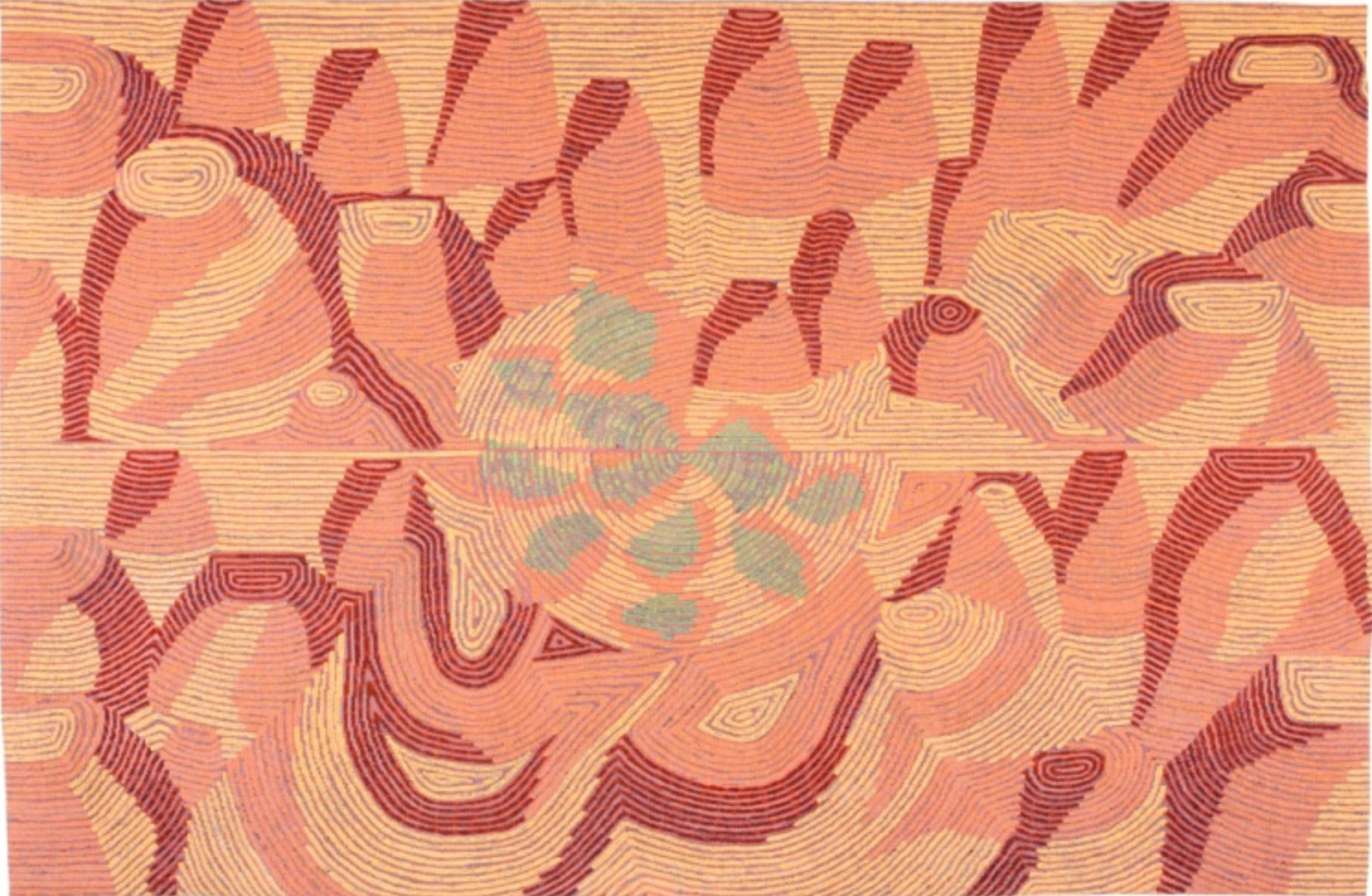
10 Tapestries, 10 Compositions, 10 gowns and 10 international performances

Woven song

Composer and Soprano Deborah Cheetham, Tabla master Pandit Ashis Sengupta, Shakuhachi master Reison Kuroda
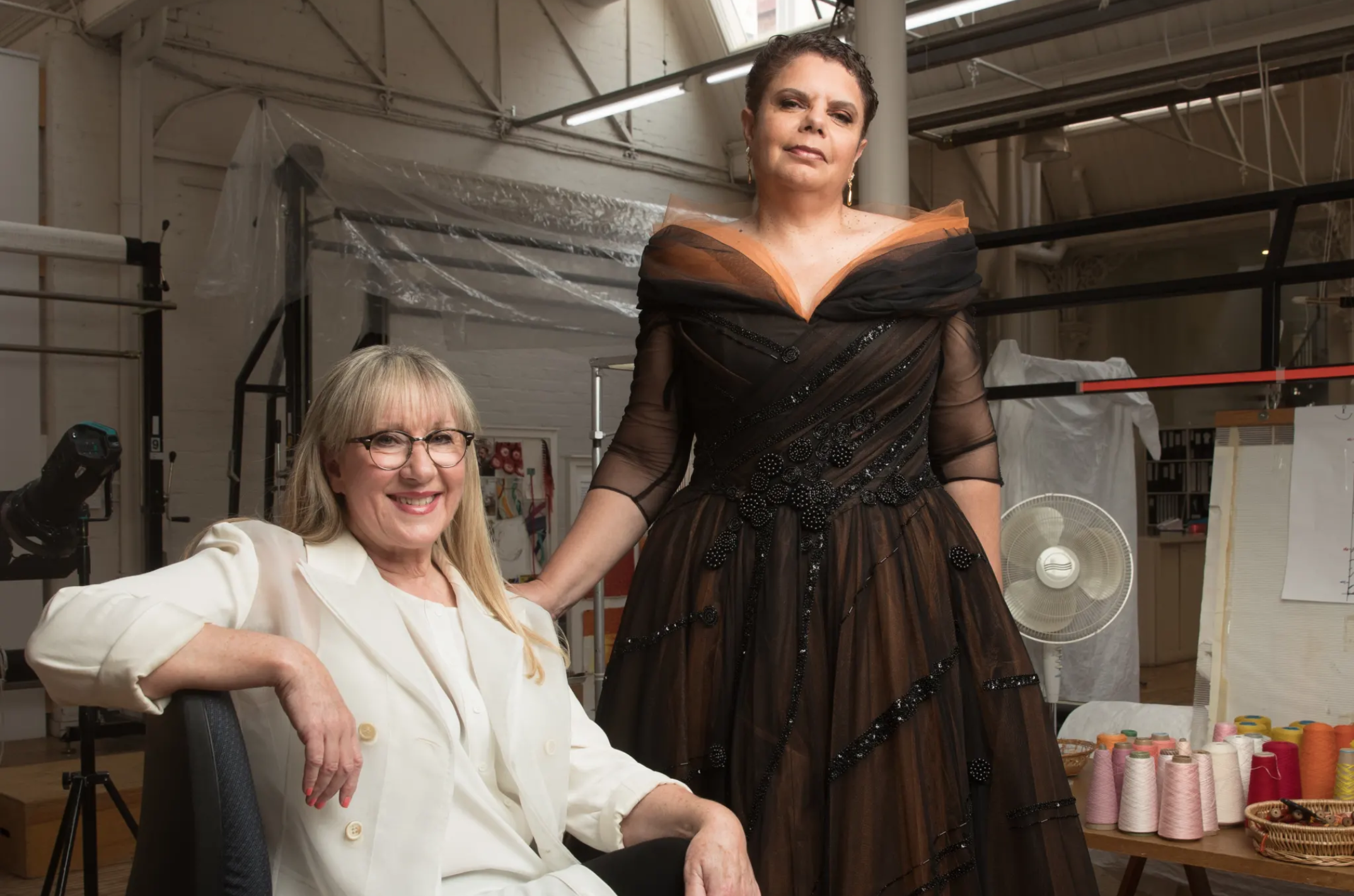
Linda Britten and Deborah Cheetham at the Australian Tapestry WorkshopPhoto by Simon Schulter

Linda Britten and Deborah Cheetham at the Australian Tapestry Workshop

Photo by Simon Schulter

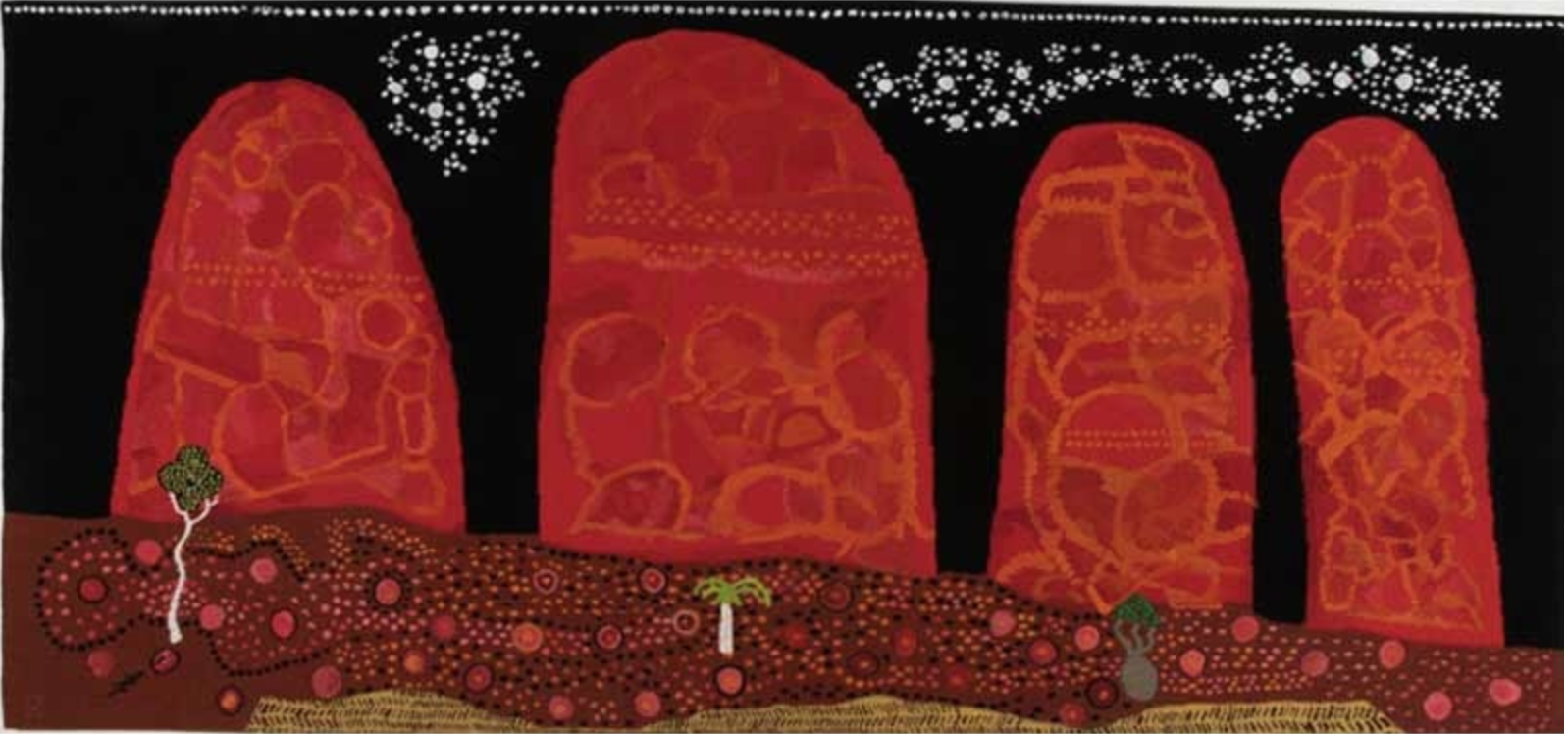
The Woven Song, Embassy Tapestry Project is the latest international project by Short Black Opera, featuring nine new compositions by Deborah Cheetham Fraillon AO. The project celebrates works of art from an ancient culture, reinterpreted and recreated by the exceptional weavers at the Australian Tapestry Workshop, inspiring a contemporary response in current classical music practice. It is an innovative project that breathes new life into each work, honouring the artistic excellence of the artists involved in creating these three-dimensional works of cultural expression.

The ten Woven Song tapestries are currently on loan to Australian Embassies and High Commissions in New Delhi (now relocated to Australia House in London), Tokyo, Singapore, Washington DC, Paris, Rome, Dublin, The Holy Sea, Beijing and Jakarta.

Melbourne couturier Linda Britten has created gowns in response to each composition and the tapestries which have inspired them.

The first in the series of nine compositions premiered at the Esplanade Theatres on the Bay in Singapore in May 2018, with featured artists from Short Black Opera, the Nanyang Academy of Fine Arts and the West Australian Symphony Orchestra.

The works feature ancient languages of the artists who created the paintings on which the tapestries are based.

black.jpg
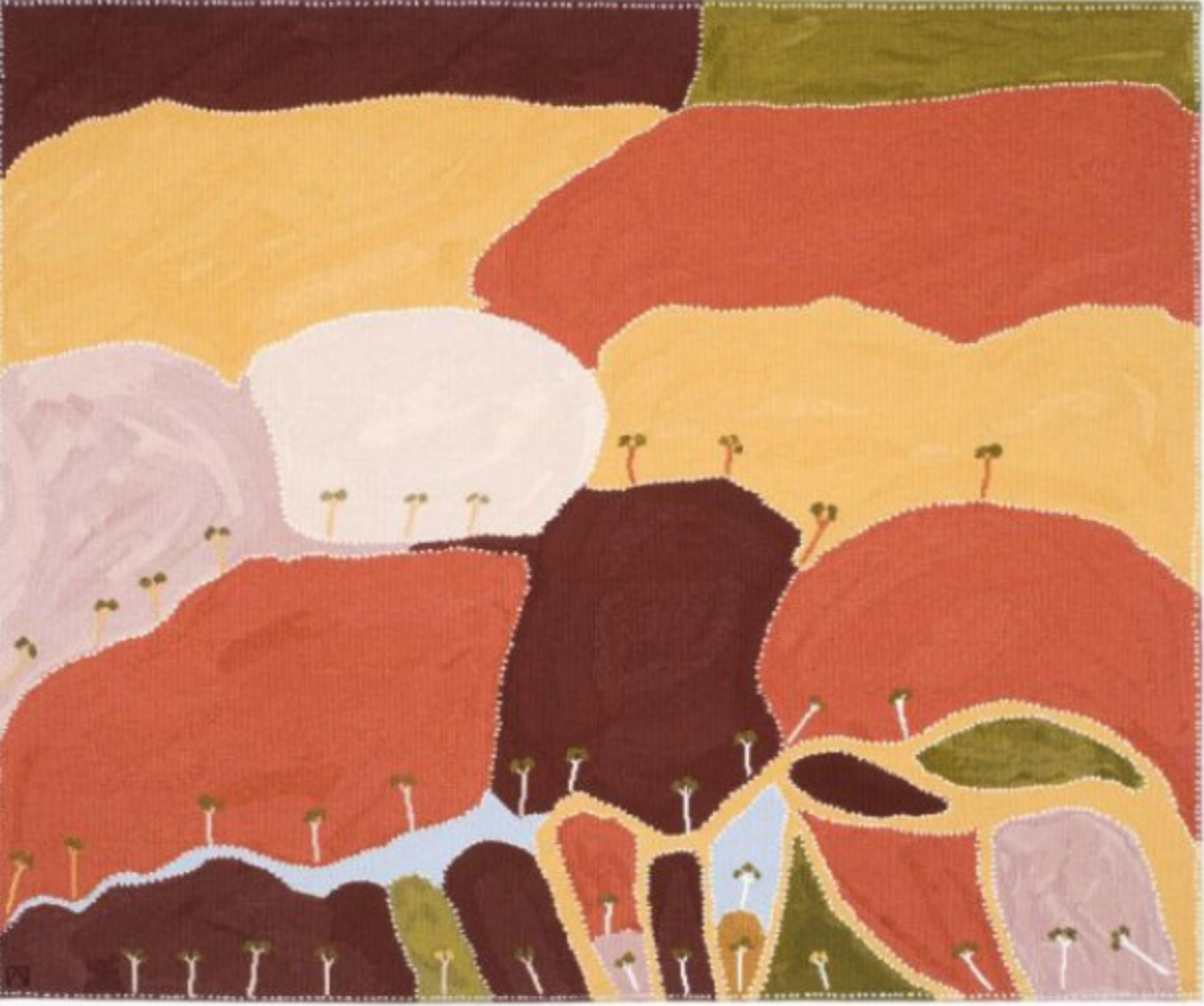
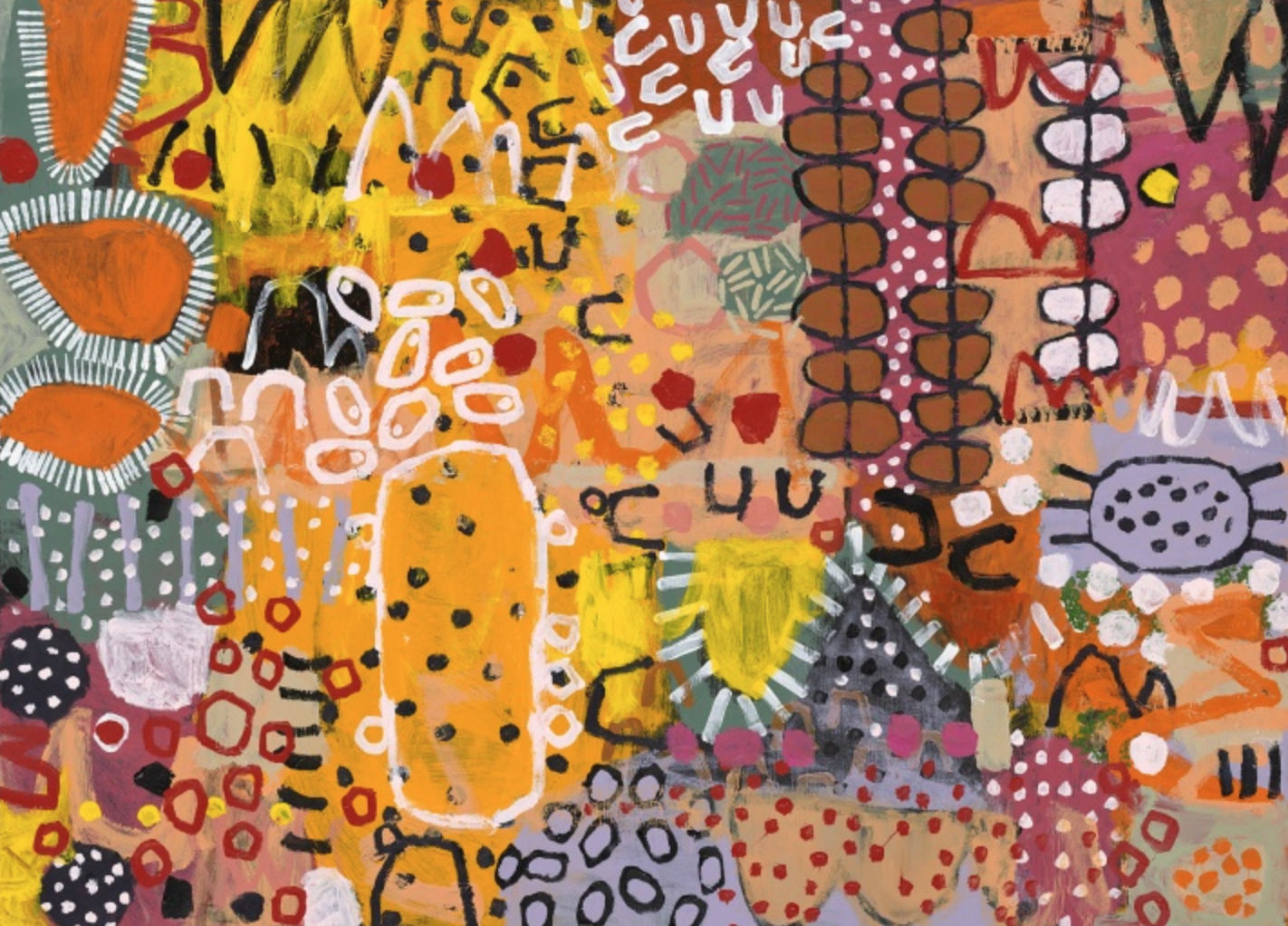
Lumpu Lumpu by Daisy Andrews

Lumpu Lumpu by Daisy Andrews

Tokyo, April 2019

my mother’s country

by deborah cheetham Fraillon aO

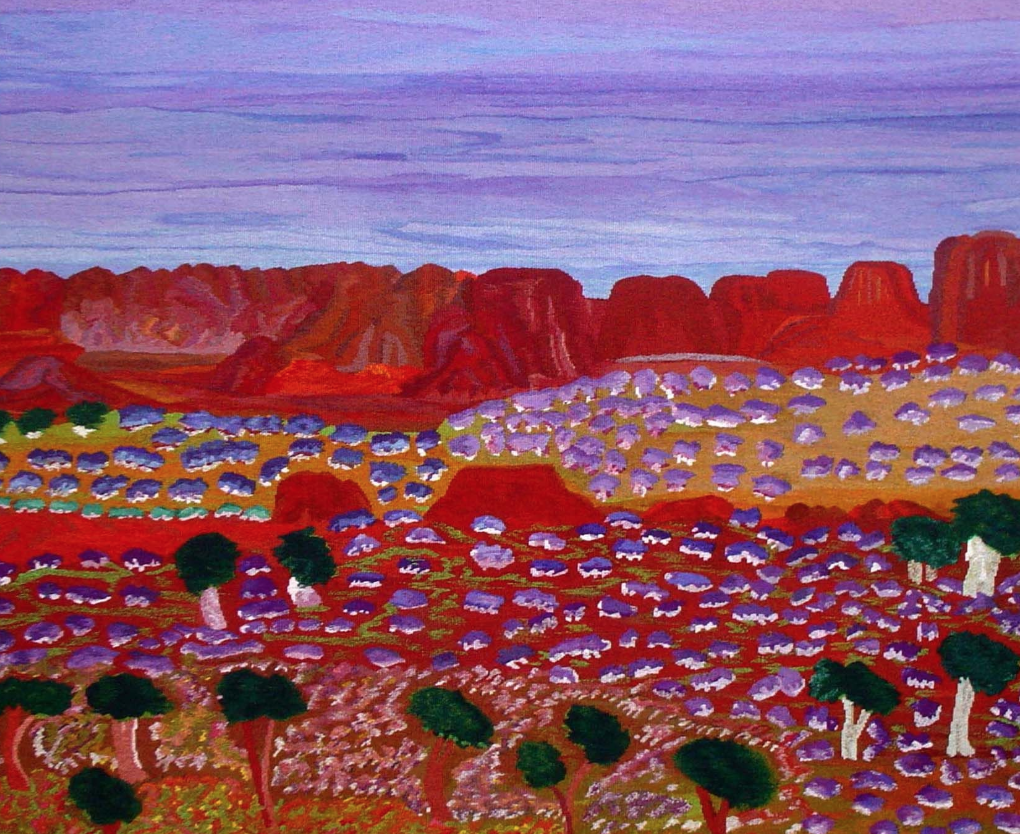
The Daisy Andrews inspired tapestry, which resides in the Australian Embassy in Tokyo, is one of the most vibrant in the collection. Daisy Andrews (Born: 1934; Died: January 2015) came from the remote Aboriginal community at Fitzroy Crossing in the Kimberley region of Western Australia. She was born at Cherrabun Station and belongs to the Walmajarri people.

The tapestry Lumpu Lumpu country captures the drama of the landscape with its cliffs and valleys, wildflowers and blazing red earth. The carpet of purple flowers finds a visual echo in the lavender coloured sky, and the whole image is suffused with sentiment. ‘When I draw my picture I am seeing that good country in my head, looking at those sandhills, flowers, everything was very good. I think hard when I look at my country. I think how I have to paint it. I look hard, it makes me sad too, it is beautiful, good country, but it makes me sad to think about all of the old people who were living there.’ [1]

The premiere performance of the work titled My Mother’s Country was given in front of the tapestry at the residence of The Australian Ambassador to Japan on the 23rd of April 2019 by members of Plexus collective with Shakuhachi master Reison Kuroda and composer/soprano Deborah Cheetham Fraillon

[1] Daisy Andrews, quoted in the Victorian Tapestry Workshop Newsletter, Vol 1, Issue 16, October 2004

black.jpg
Catching Breath by Brook Andrew

Catching Breath by Brook Andrew

Singapore, April 2018

catching Breath

by deborah cheetham Fraillon aO

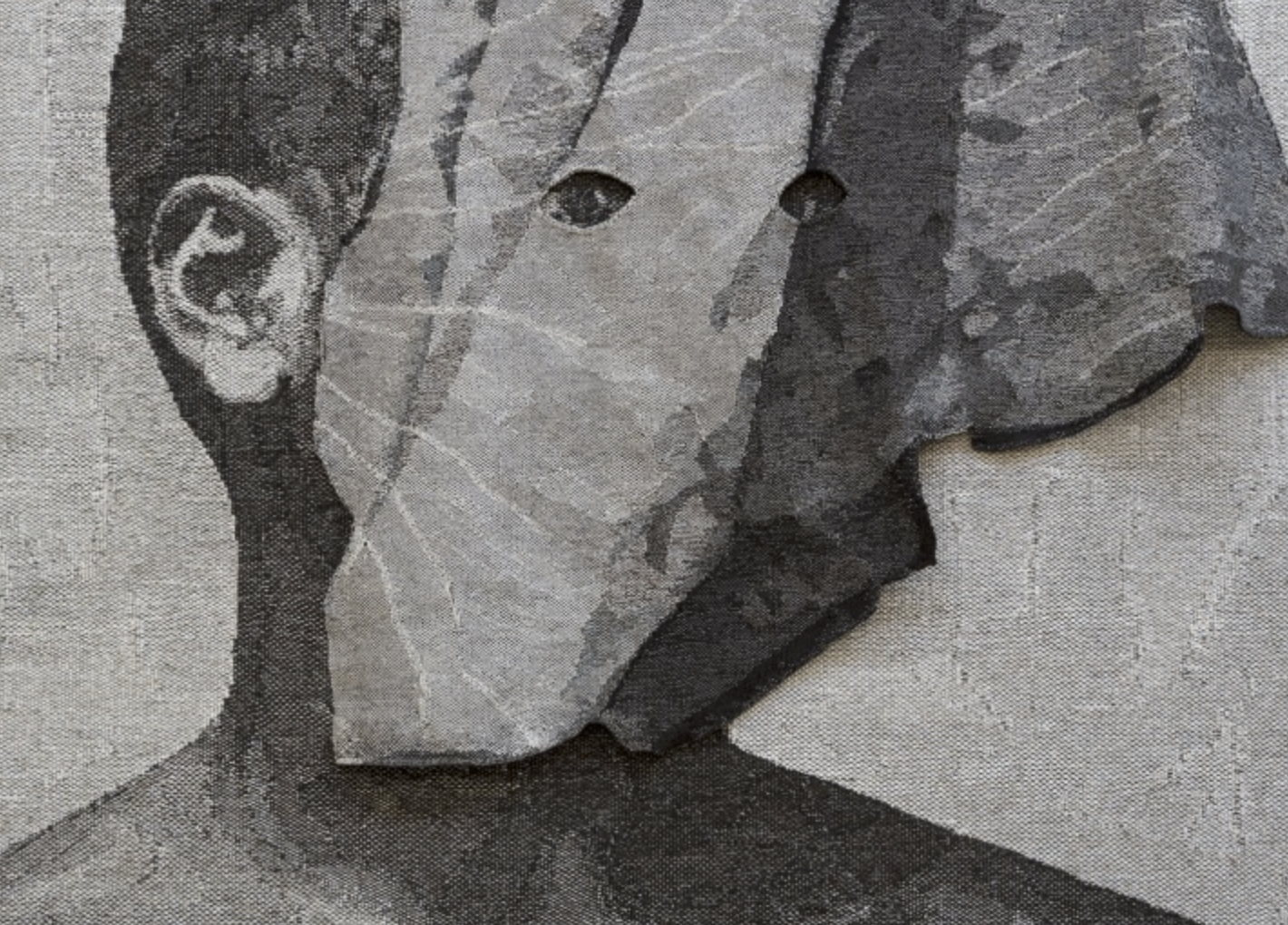
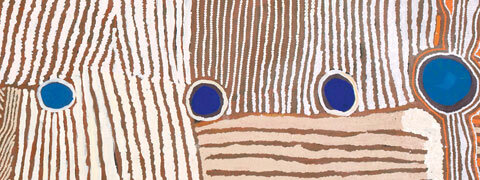
Catching Breath is the title of a unique tapestry which resides in the Australian High Commission in Singapore, based on an original artwork by Brook Andrew. Deborah Cheetham’s new work of the same name premiered in Singapore in 2018.

When identity is hidden beneath the veil of time, do we dare to lift, dare to reveal the past, the known and unknown, the mystery.

Deborah Cheetham AO

Featuring the veiled image of an unnamed Aboriginal Man from the turn of the 19th century the original tapestry invites us to challenge the notion of the undifferentiated other. In a concert at The Esplanade in April, 2018, featuring artists from Short Black Opera, the Nanyang Academy of Fine Arts and the West Australian Symphony Orchestra, Cheetham’s new work gave voice to the unnamed Aboriginal Man, bringing him to life.

This concert featured the first of Melbourne couturier Linda Britten’s commissioned gowns, inspired by the tapestries.


black.jpg
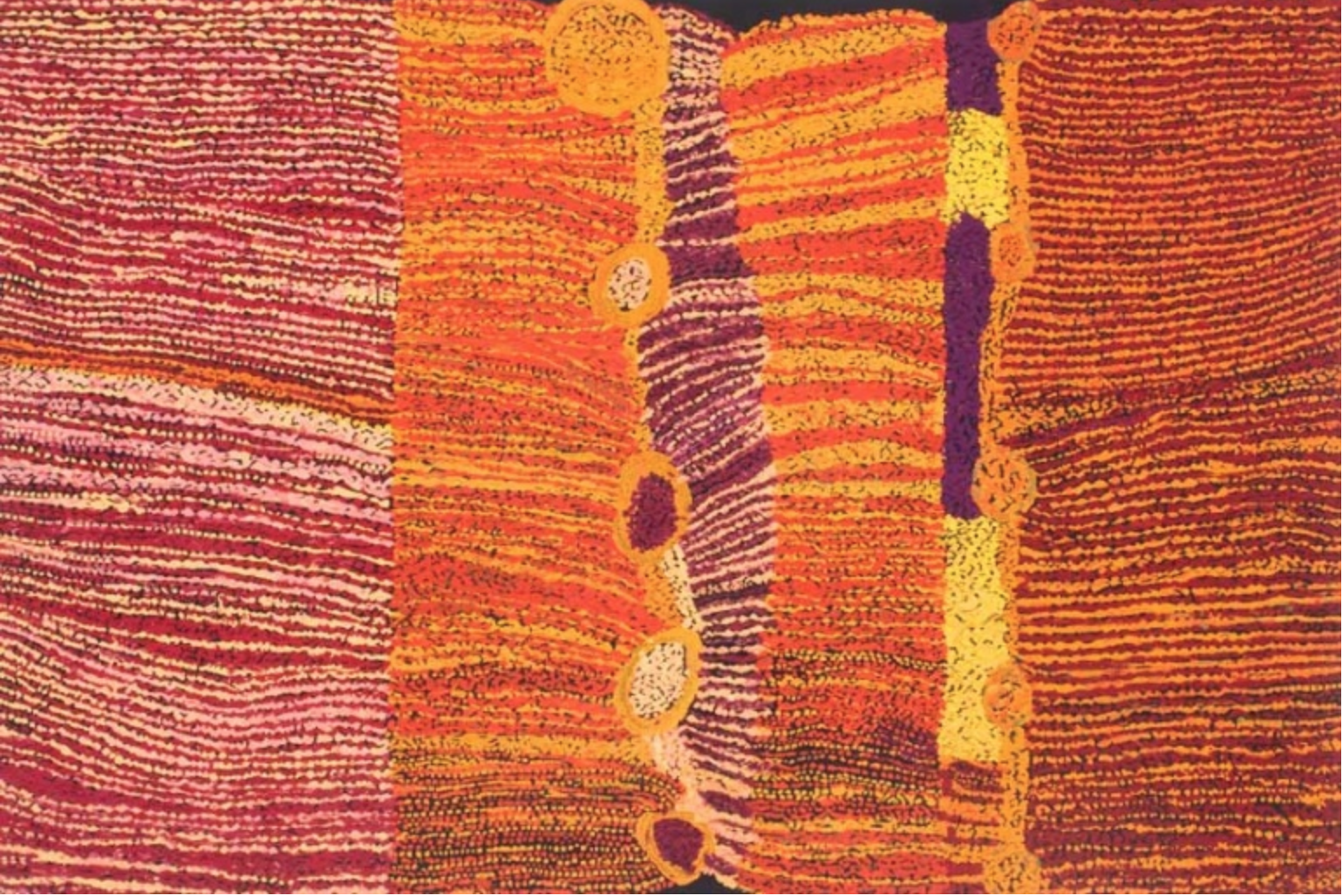
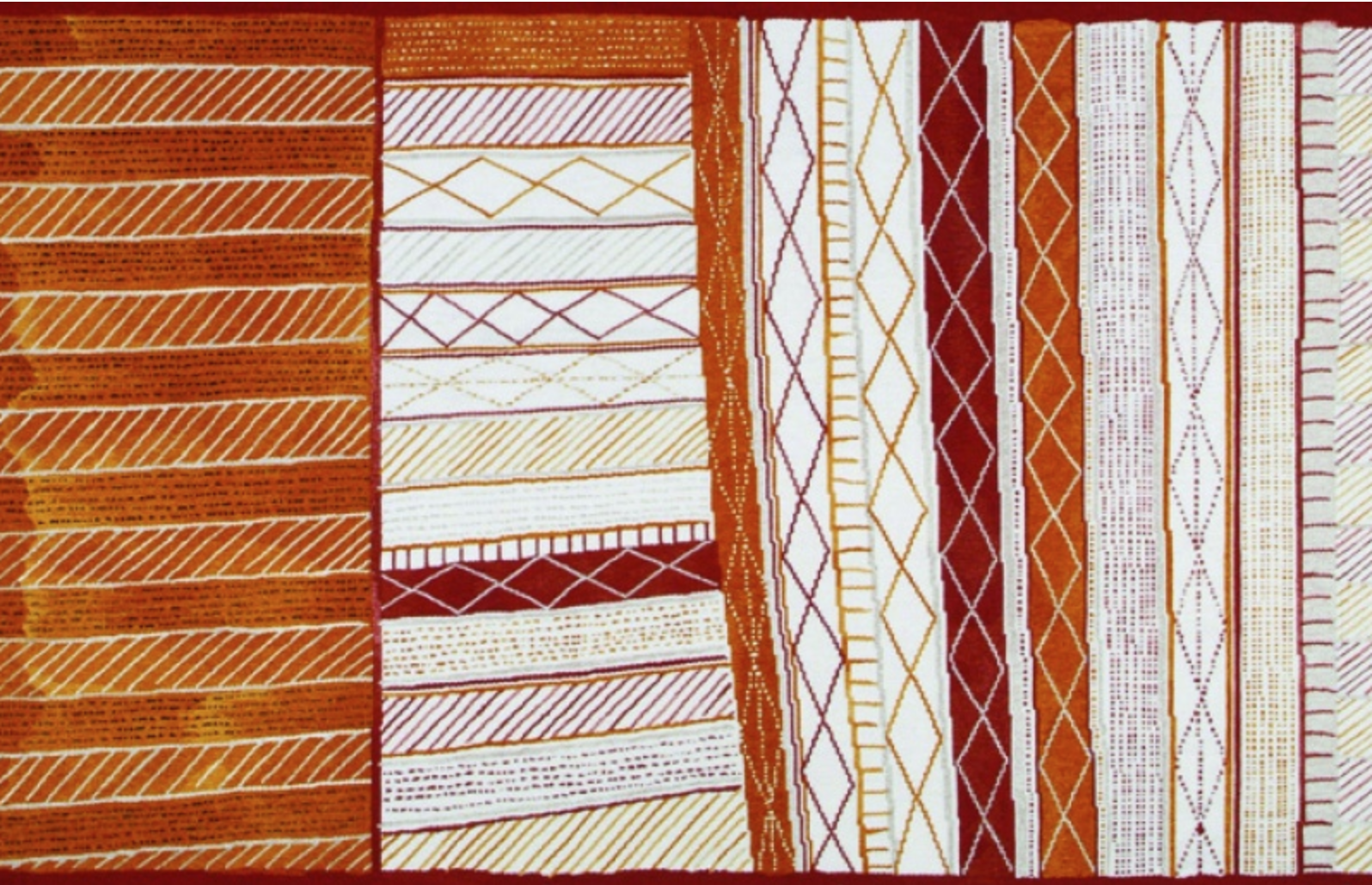
Original Artwork by Nanyuma Napangati

Original Artwork by Nanyuma Napangati

Final bow INDIA

New Delhi, March 2019

Article 27

by deborah cheetham Fraillon aO

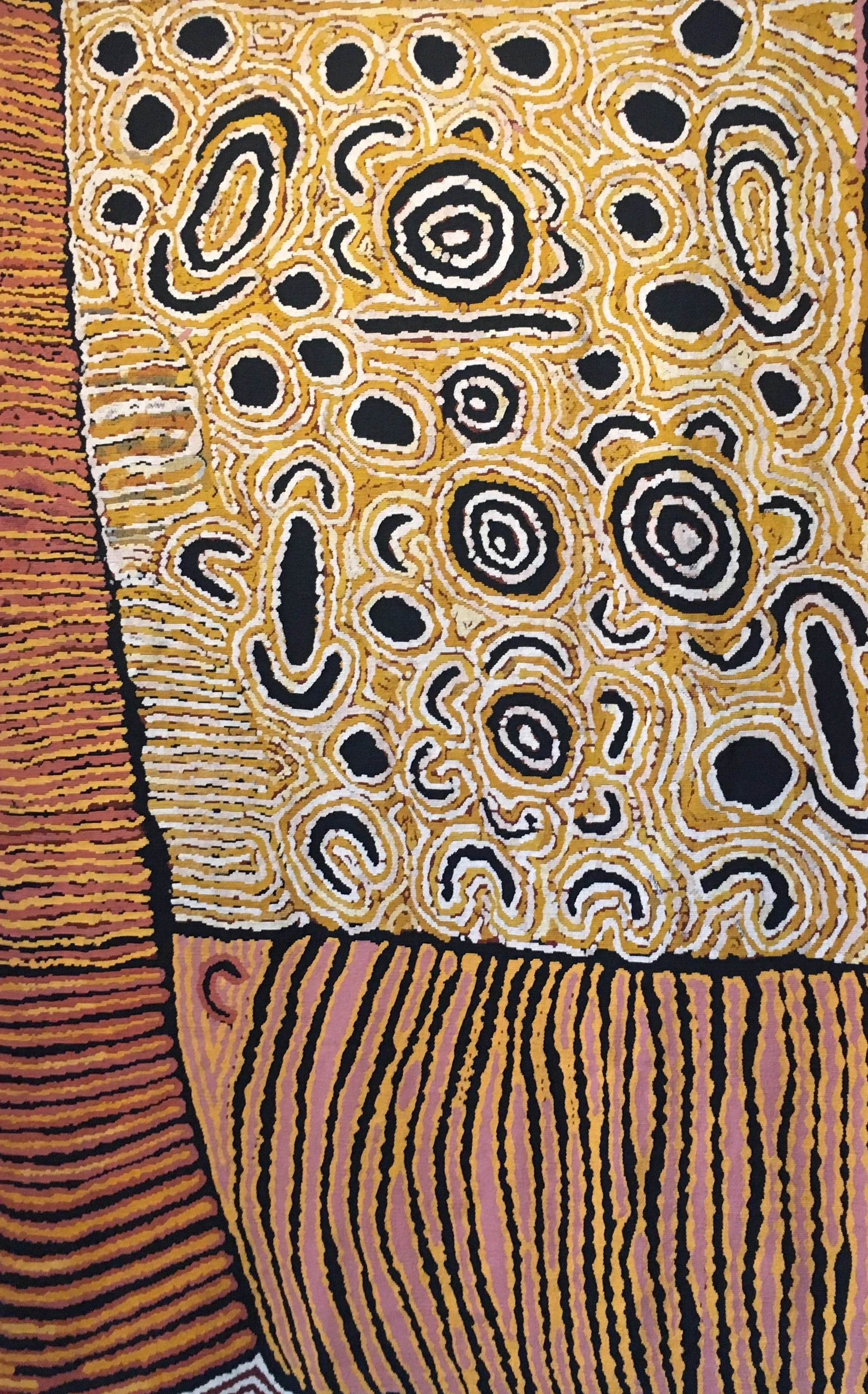
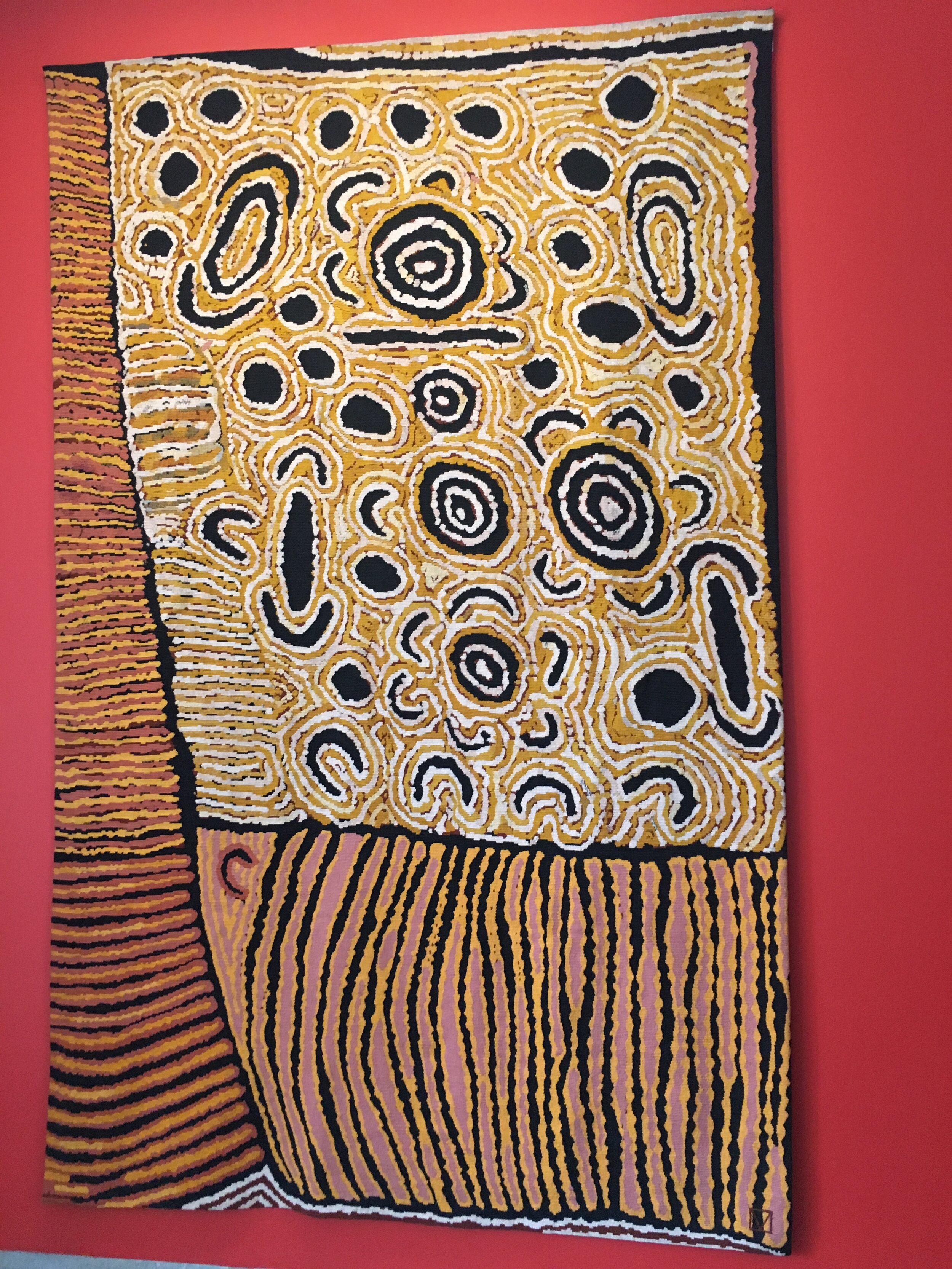
This tapestry, based on an original artwork by Nanyuma Napangati, now hangs in the foyer of the new Australian Chancellery in New Dehli.

Deborah Cheetham’s new work Article 27 refers to the Universal Declaration of Human Rights which was translated into Nanyuma Napangati’s first langauge in 2015 by Dr. Sarah Holcombe, a researcher at The Australian National University (ANU). Article 27 states that “Everyone has the right freely to participate in the cultural life of the community, to enjoy the arts and to share in scientific advancement and its benefits.”

After meeting Dr Holcombe I realized there were so many more layers to uncover giving the work a deeper meaning and the audience a richer experience. The idea of the individual is far from central in Australian Indigenous culture - particularly for those who still manage to live in communities bound by traditional law. Rather it is the collective that is paramount to survival in the longest continuing culture in the world.

Deborah Cheetham Fraillon AO

Article 27 premiered in Mumbai and Dehli in March, 2019, and will feature SBO artists, Rubiks Collective and special guest artist Pandit Ashis Sengupta on tabla.

INDIA.jpg


black.jpg